

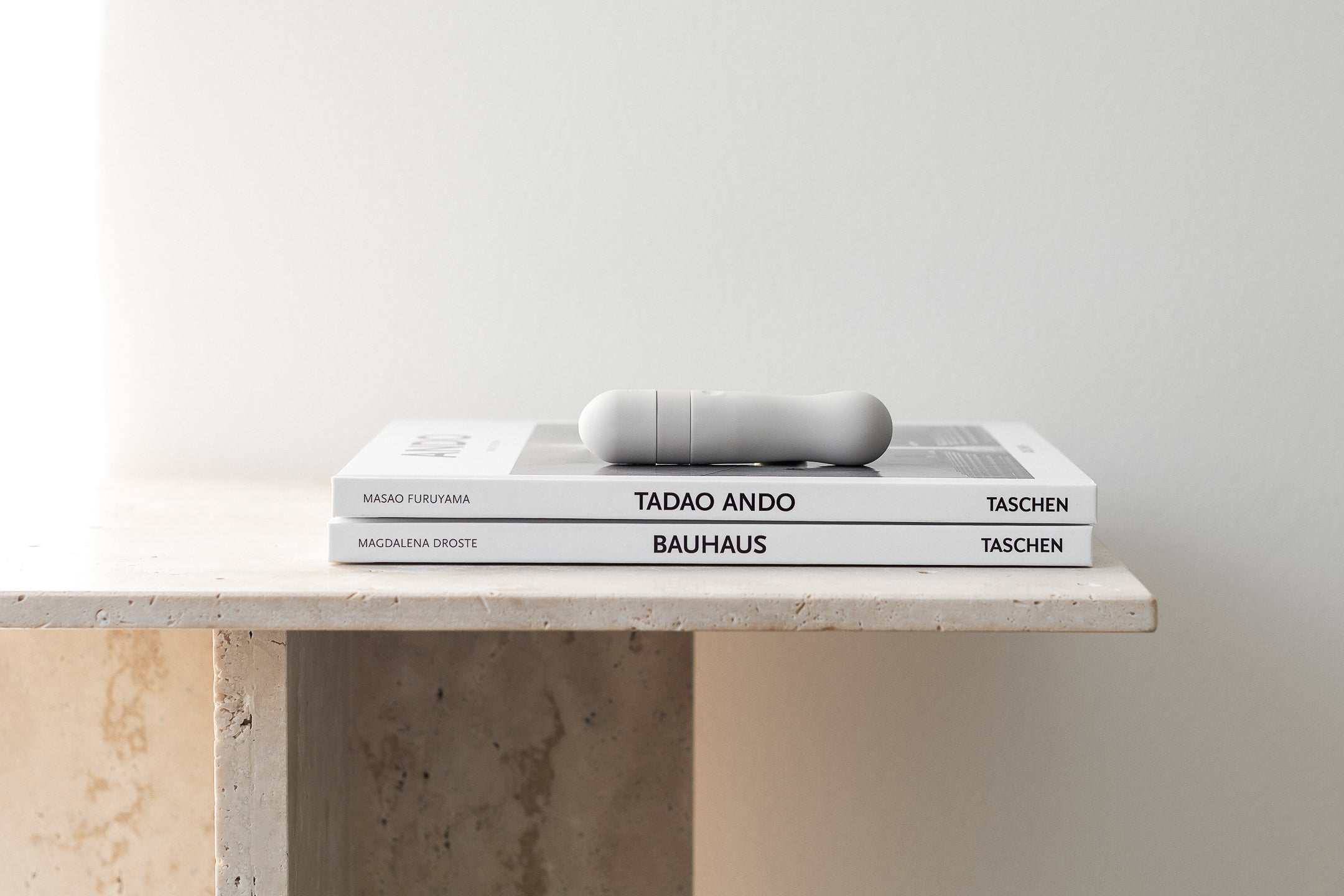
How to Choose a Vibrator: A Practical Guide for Every Body
TL;DR
Choosing a vibrator comes down to four things: the kind of stimulation you want (external, internal, or both), the material it is made from (premium silicone, with a real certification), the intensity range it offers, and how it fits into your life (quiet, discreet, waterproof).
Introduction
More than half of adults across Denmark, Sweden, Norway, Finland, France and the UK now own or have owned a sex toy, according to a 2024 study of nearly 12,000 Europeans published in The Journal of Sex Research. Vibrators are the most common type. So the question is no longer whether to buy one, but which one.
This guide is a practical framework for choosing well. Four principles, backed by research and considered design. Whether this is your first piece or your fifth, the same logic applies.
What Should You Actually Look For in a Vibrator?
A well-chosen vibrator meets four criteria: it matches the kind of stimulation you enjoy, it is made from a body-safe material with a recognised certification, it offers a real range of intensity, and it fits naturally into your routine. Everything else is detail.
What Type of Stimulation Do You Enjoy Most?
Start with where your pleasure lives: external (clitoral), internal (G-spot), or both. This is the single biggest filter, because shape follows function. A study of 1,207 women published in the Journal of Sexual Medicine found that 35.4% orgasm through clitoral stimulation alone, 40.9% through both clitoral and vaginal, and only 20.1% through vaginal stimulation alone. UK data tells the same story: YouGov found that British women who orgasm every time are more than twice as likely to always include clitoral stimulation as those who don't.
External (clitoral) vibrators
External vibrators sit against the body rather than entering it. They are small, intuitive, and forgiving, which is why most first-time owners start here. Bullet shapes deliver pinpointed sensation; contoured shapes diffuse it more broadly.
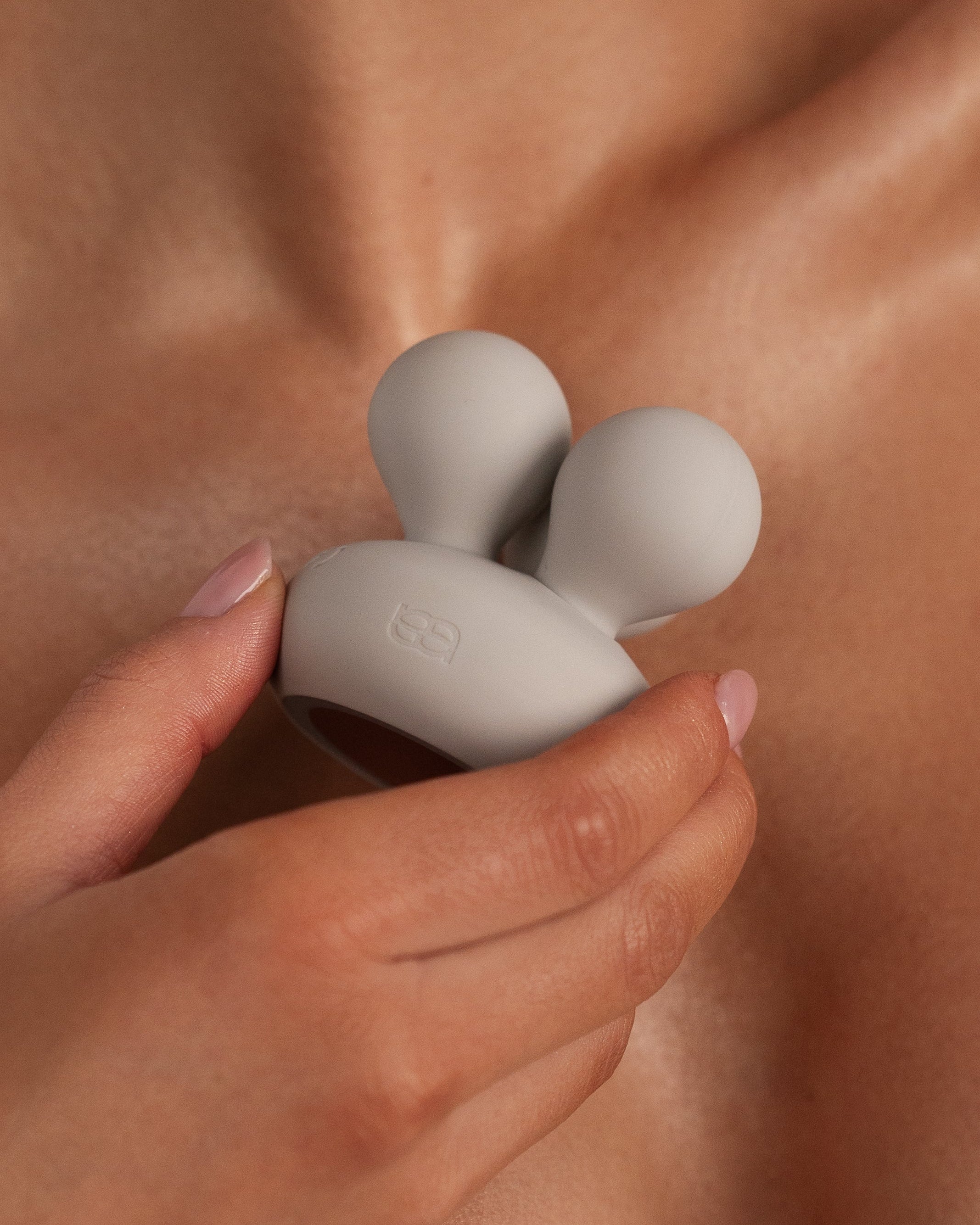
For compact precision, Aura is a bullet vibrator built around a soft "Cushion-Touch" tip. For something steady and gentle, Cima rests naturally against the clitoris with one-button simplicity. For two textures in one piece, Folia offers an edge for precision and a smooth side for diffused touch.
Internal (G-spot) vibrators
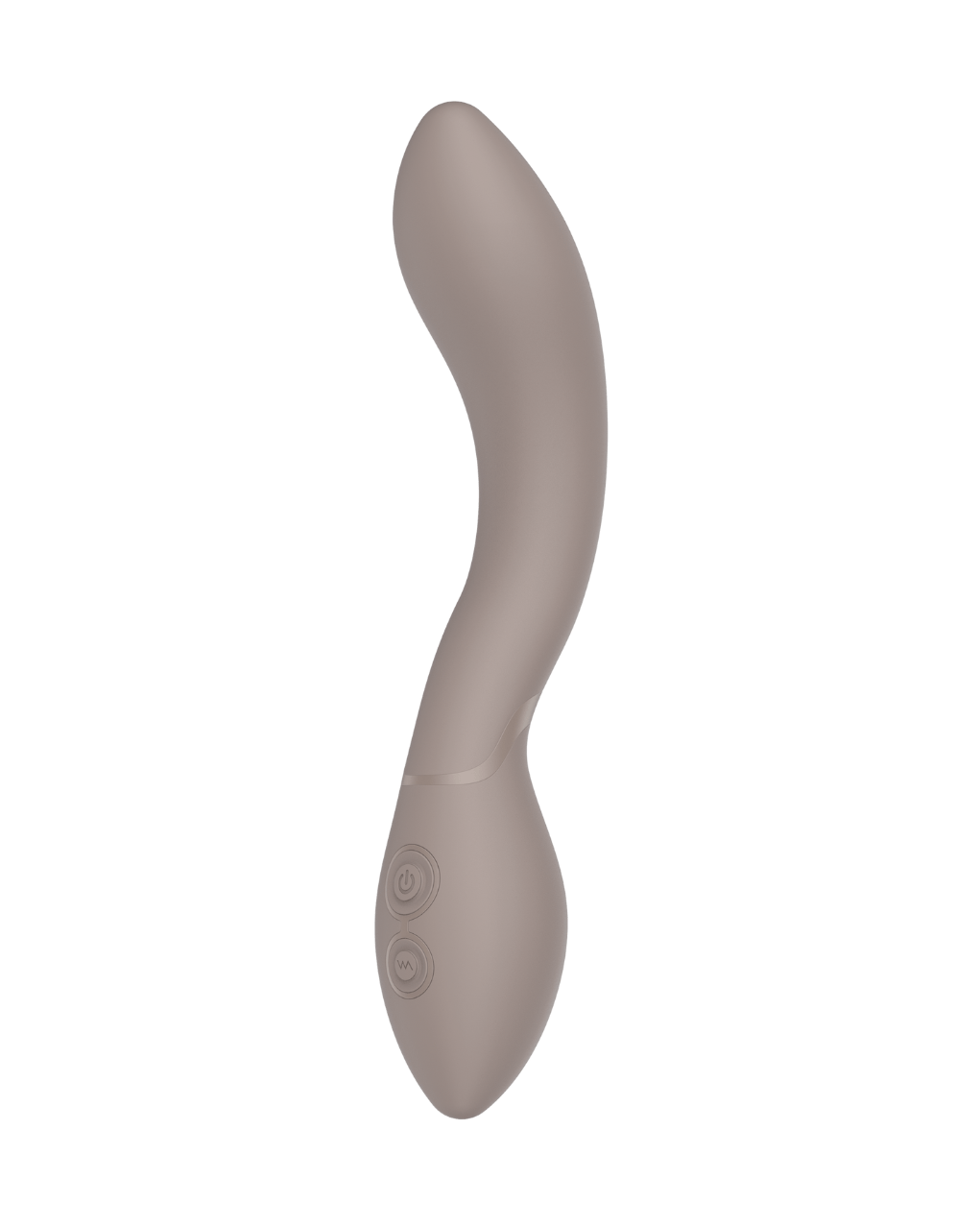
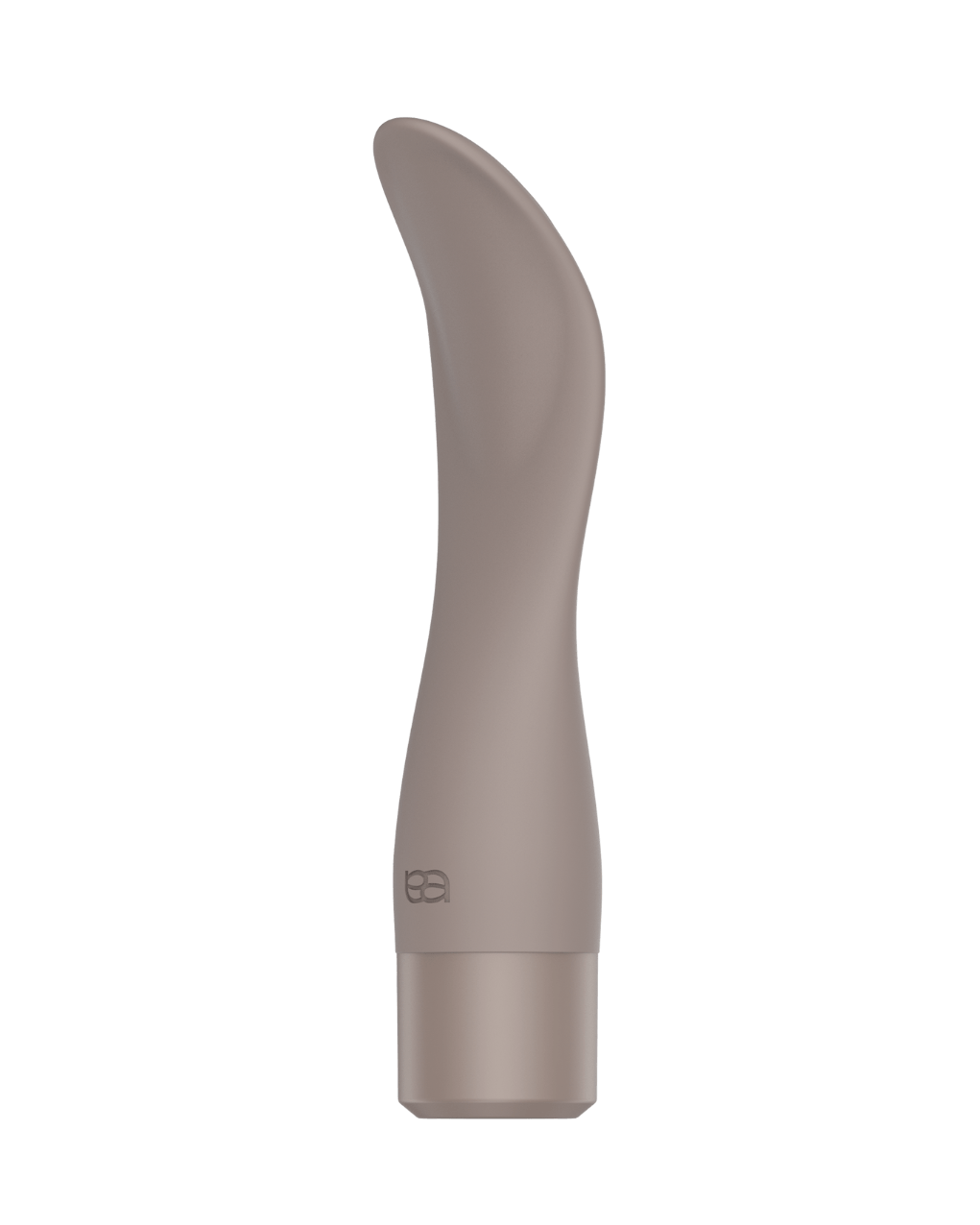
Internal vibrators are shaped to be inserted, with curves that follow internal anatomy. A good one reaches the G-spot without constant repositioning.
Nubia uses a curved shape that mirrors the body's interior. Ama is a modern take on a classic, designed for those who want simplicity over features.
Dual stimulation
Dual-stimulation vibrators, often called rabbits, combine an internal shaft with an external arm so both areas are engaged at once. Riva is Naago's take, sculpted in the same "Cushion-Touch" silicone used across the collection.
For couples and foreplay
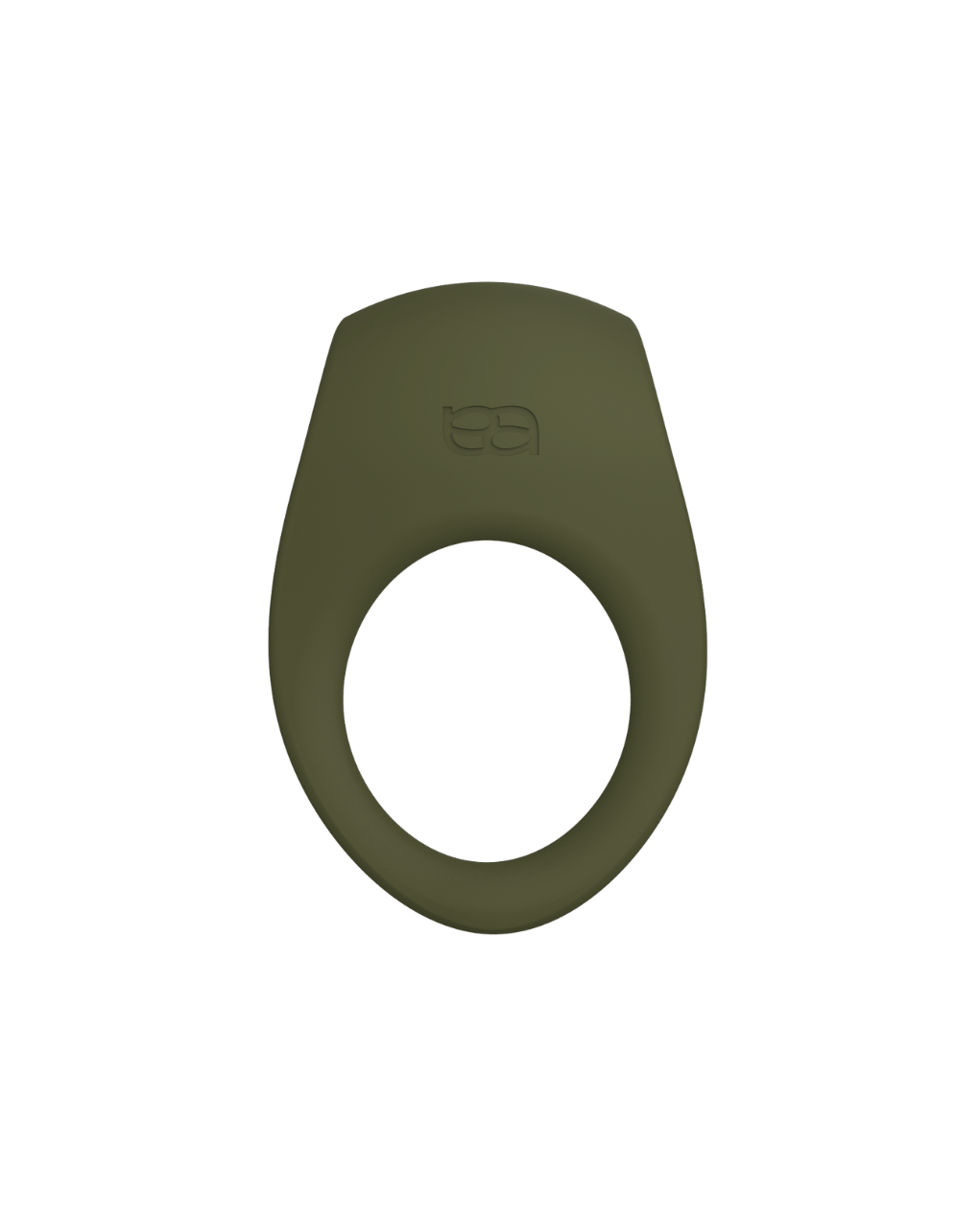
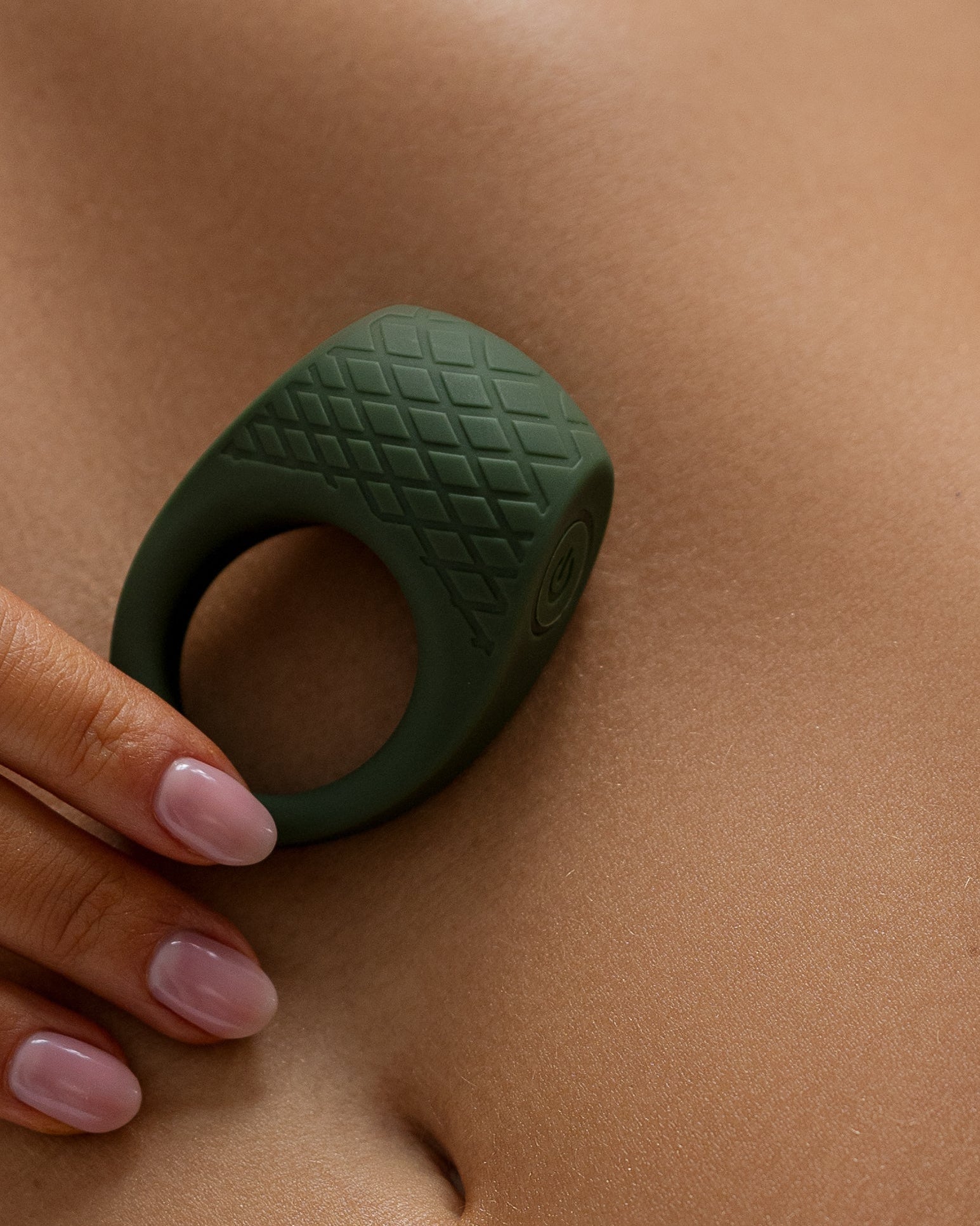
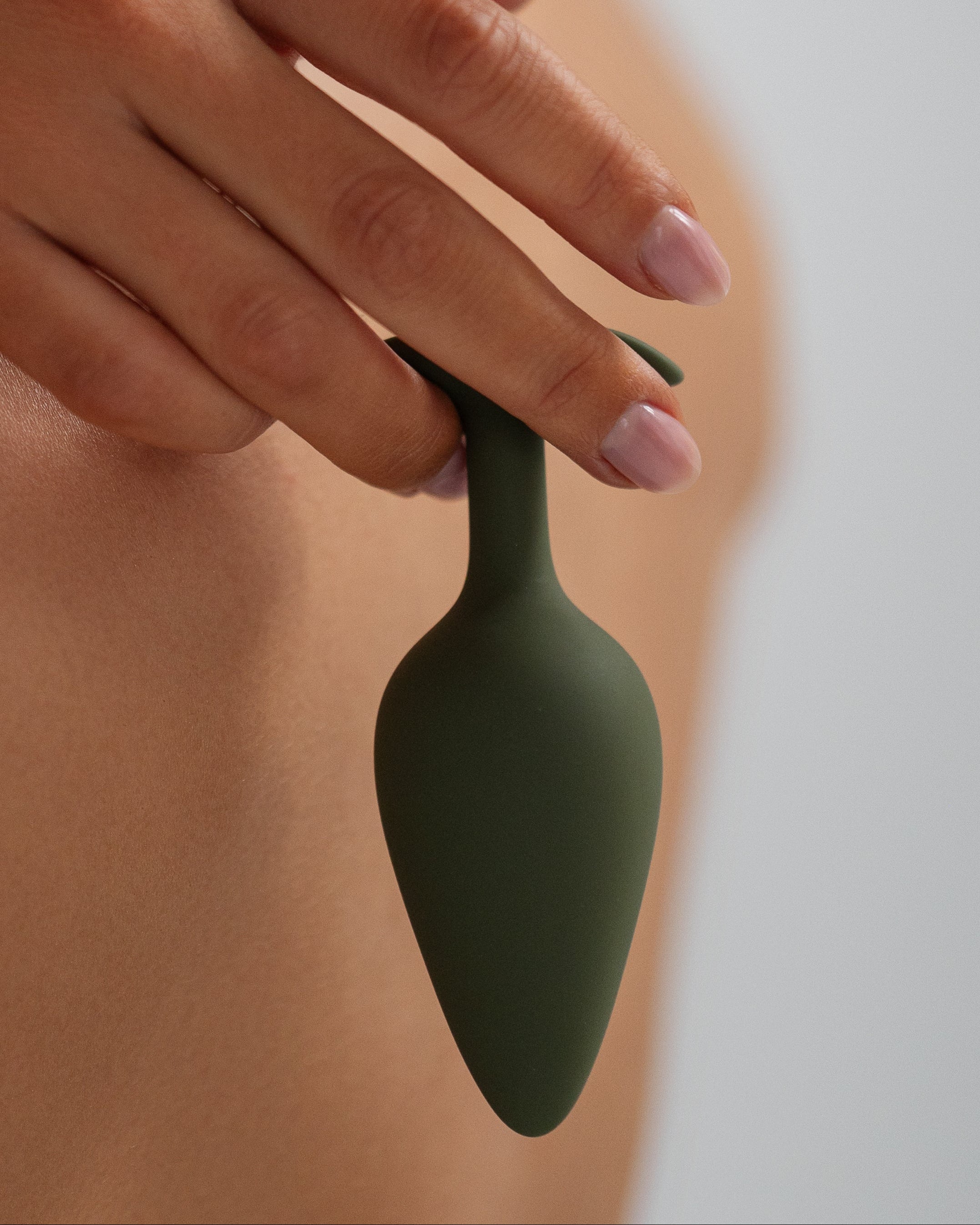
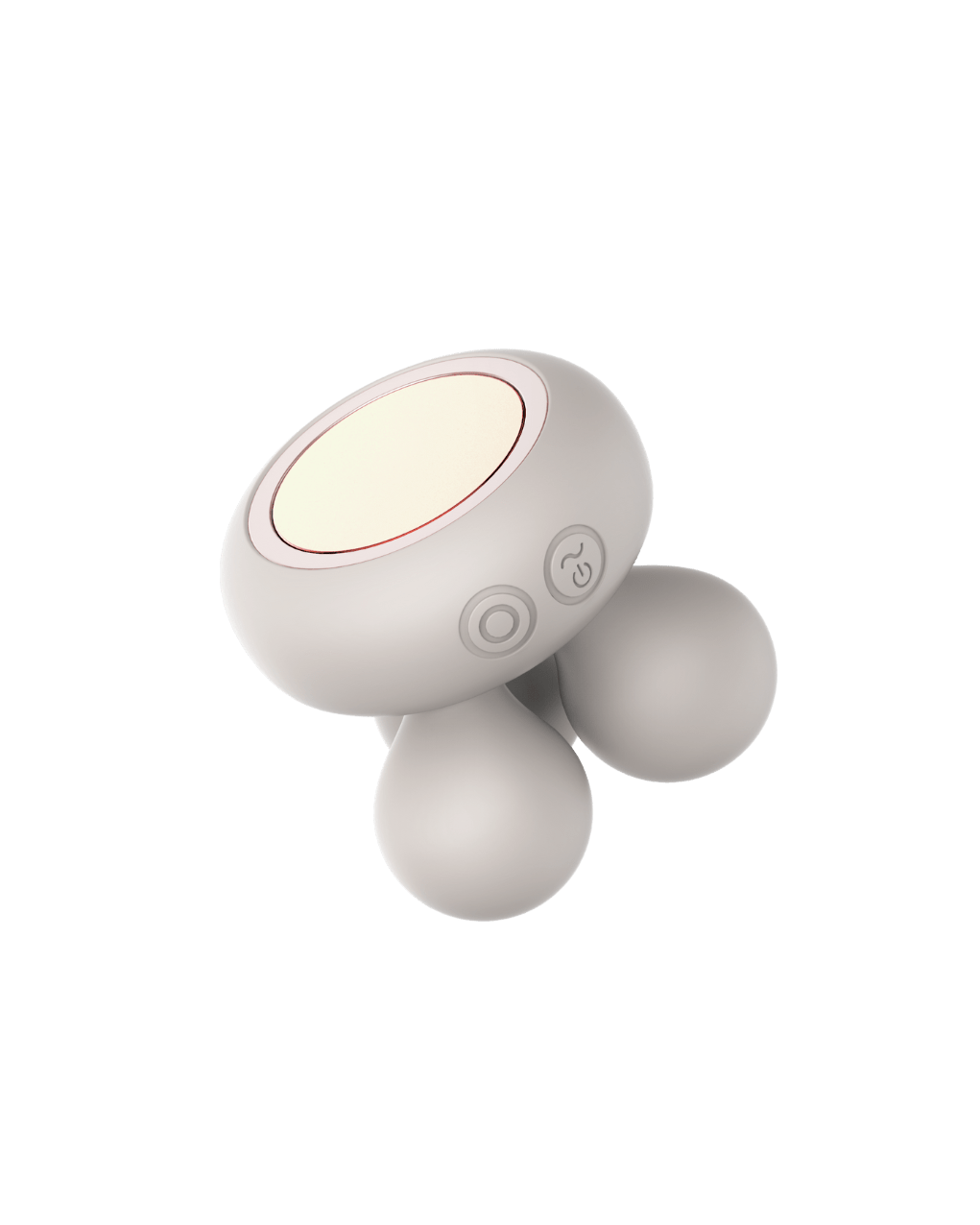
Some vibrators are designed less around climax and more around shared touch. Terra, an adjustable vibrating ring, stimulates both partners during sex. Neve uses a warming plate and gentle vibration to deepen foreplay. Noce is an approachable introduction to anal play for couples.
Why Does Material Matter So Much?
Material is the most important safety decision you will make. Premium silicone is non-porous, hypoallergenic, and free from harmful additives, which is why peer-reviewed research consistently identifies silicone-based polymers as the safer category of sex toy material under EU regulation. Anything cheaper, softer, or vaguely labelled deserves a closer look.
The concern is real, not theoretical. A peer-reviewed study published in the journal Microplastics and Nanoplastics tested four commercially available sex toys and found that all of them released microplastics and contained phthalates at levels "exceeding hazard warnings". Phthalates are endocrine disruptors that interfere with hormonal function. The European Union has restricted phthalates in consumer products since July 2020 under REACH regulation, but sex toys are usually classified as novelties rather than medical devices, so oversight is inconsistent across the bloc.
Look for specifics on the label: phthalate-free, BPA-free, latex-free, and ideally a recognised certification. Every piece in the Naago collection is made from LFGB-certified silicone, the EU's strictest standard for food and skin contact, more demanding than the FDA equivalent.
How Much Vibration Intensity Do You Actually Need?
Less than most marketing suggests. The useful feature is not peak power but a real range, soft enough for sensitive moments and firm enough when you want more.
Naago vibrators offer six modes: the first three calibrated for sensitive bodies, the last three for a firmer touch. The point is not intensity for its own sake. The point is room to find what works on a given day.
Practical Features That Make a Real Difference
Once material and stimulation type are sorted, a few practical details decide whether you actually use the piece you bought.
Quiet operation. A loud motor pulls you out of the moment, especially if you share walls. A well-engineered vibrator stays discreet even on higher settings.
Waterproof. Genuine waterproofing lets you use it in the shower and clean it properly under running water.
Rechargeable. USB charging removes the friction of dead batteries, and rechargeable models tend to last longer.
Intuitive controls. Simple, ergonomic shapes with clear buttons are easier to use without breaking the moment. The fewer settings you have to think about, the more present you can be.
Discreet design and packaging. A piece you can leave on a shelf is a piece you will actually use.
Should Couples Choose a Different Kind of Vibrator?
Not a different kind, but often a different intention. A vibrator chosen for shared use favours shape and gentleness over peak intensity. The European study cited above found that higher frequency of sex toy use with a romantic partner was linked to greater sexual, life, and relationship satisfaction.
Terra is the easiest starting point because it stimulates both partners during sex without changing what you already do together. Neve introduces warmth and gentle vibration into foreplay. Noce offers a calm introduction to anal play. For something multi-sensory, Sol pairs a warming plate with a vibrating handle for slow build-up.
A Few Things to Avoid
Porous or vaguely labelled materials. Jelly, "rubber," and certain TPE blends are porous, which means they trap bacteria even after cleaning. If a product does not clearly state its material, treat that as a warning sign.
Pieces with no certification. "Body-safe" on the box is not a regulated claim. Look for a specific standard such as LFGB or medical-grade silicone, not a marketing phrase.
Silicone-based lubricant with a silicone toy. Silicone lube and silicone toys are made from similar polymers, so the lubricant can stick to the toy and warp or deteriorate the surface. Use water-based lubricant instead.
Buying on price alone. Cheapest is rarely best; most expensive is not automatically better. Look for considered design, transparent materials, and a real warranty.
Conclusion
Choosing a vibrator is less about picking a product and more about understanding your own preferences. Start with the kind of stimulation you already enjoy, insist on body-safe materials with a real certification, choose a range over a peak, and pick a piece designed to fit quietly into your life.
When you are ready, the full Naago collection is built around exactly these principles.
Frequently Asked Questions
What is the best vibrator for beginners?
The best vibrator for beginners is a small, external clitoral vibrator with intuitive controls and a gentle low setting. A compact bullet shape is approachable, easy to position, and forgiving while you learn what you enjoy. Aura is a popular Naago starting point: small, quiet, with a soft "Cushion-Touch" tip and six adjustable modes.
Are silicone vibrators safe?
Yes, premium silicone vibrators are the safest option available. Medical-grade and LFGB-certified silicone is non-porous, hypoallergenic, and free from the phthalates and BPA found in cheaper plastics. Look for a clear certification on the packaging, not just the phrase "body-safe."
Should I choose an external or internal vibrator?
Choose based on the kind of stimulation you already enjoy. Most people prefer external (clitoral) stimulation, internal (G-spot) stimulation, or both. European research shows about 35% of women orgasm through clitoral stimulation alone, 41% through both, and 20% through vaginal stimulation alone. If you are unsure, start with an external vibrator: they are smaller, more forgiving, and the most popular first piece.
What lubricant should I use with a silicone vibrator?
Always use a water-based lubricant with silicone vibrators. Silicone-based lubricants can chemically bond with silicone toys and permanently damage the surface. Water-based formulas are safe with every material, easy to clean off, and compatible with condoms.
How do I clean and store a vibrator?
Wash your vibrator with warm water and, a toy cleaner before and after every use, then let it air-dry completely. Store it in a clean, dry place, ideally in its own pouch, away from direct sunlight and other silicone items. Never submerge the charging port, and never share a piece between partners without thorough cleaning.
This article is for informational purposes only. It is not medical advice and should not replace consultation with a qualified healthcare professional.





,%20the%20material%20it%20is%20made%20from%20(premium%20silicone,%20with%20a%20real%20certification),%20the%20...)